
Gynecomastia: Causes, Treatment Options, and What Men Should Know | Personiks
A Clear Guide to Why Male Breast Enlargement Happens and How It Is Treated in Hyderabad
Gynecomastia is a common condition characterized by the enlargement of male breast tissue. It can affect men of all ages and often leads to physical discomfort, emotional distress, and loss of confidence.
Understanding the causes and available treatments is the first step toward effective management.
At Personiks Plastic & Cosmetic Surgery Center, gynecomastia is treated with a personalized and evidence-based approach, focusing on both physical correction and patient well-being.
Understanding Gynecomastia and What Men Should Know
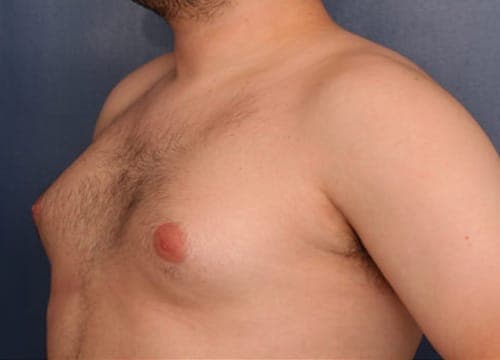
- Gynecomastia occurs due to an imbalance between estrogen and testosterone levels, leading to the development of excess glandular tissue, fat, or both in the male chest. It is important to differentiate gynecomastia from simple chest fat (pseudogynecomastia), as treatment approaches differ. A proper clinical evaluation is essential to identify the exact cause before planning treatment.

Choosing the Treatment That Is Right for You
At Personiks, gynecomastia treatment is customized to each individual's anatomy and goals, with emphasis on safety, natural-looking results, and comprehensive patient education.
Accurate Diagnosis: Distinguishing fat-dominant, gland-dominant, and mixed gynecomastia determines the right surgical approach.
Cause Evaluation: Identifying hormonal, medication-related, or lifestyle causes helps prevent recurrence.
Tailored Technique: Liposuction, gland excision, or a combination is chosen based on tissue composition.
Day-Care Convenience: Surgery is often performed as a day-care procedure with a quick return to routine.
Realistic Expectations: Honest consultation ensures you understand outcomes and recovery before proceeding.
Key Details
What Is Gynecomastia?
Gynecomastia occurs due to an imbalance between estrogen and testosterone levels, leading to excess glandular tissue, fat, or both in the male chest.
It is important to differentiate gynecomastia from simple chest fat (pseudogynecomastia), as treatment approaches differ.
Common Causes of Gynecomastia
Gynecomastia may develop due to several factors:
• Hormonal changes during puberty or aging
• Certain medications
• Steroid or substance use
• Weight fluctuations
• Underlying medical conditions
A proper clinical evaluation is essential to identify the exact cause before planning treatment.
Types of Gynecomastia
Gynecomastia can be broadly classified into three types:
• Fat-dominant gynecomastia — excess fatty tissue
• Gland-dominant gynecomastia — firm glandular tissue
• Mixed type — a combination of fat and gland
Accurate diagnosis helps determine whether liposuction alone or combined surgical excision is required.
Gynecomastia Treatment Options
In early or mild cases, lifestyle modification and medical management may be advised. However, once glandular tissue is established, it usually does not resolve on its own.
Surgery is the most effective and definitive treatment for persistent gynecomastia. Depending on tissue composition, treatment may include:
• Liposuction to remove excess fat
• Surgical excision of glandular tissue
• A combination approach for optimal contouring
The goal is to achieve a flatter, firmer, and more masculine chest contour.
The Procedure and Recovery
Gynecomastia surgery is typically performed under anesthesia and is often a day-care procedure.
Post-operative care includes wearing a compression garment and managing temporary swelling and bruising.
Most patients can resume routine work within a few days, while strenuous activities are avoided for a few weeks.
Results and Long-Term Outlook
Results from gynecomastia surgery are long-lasting. Once excess tissue is removed, recurrence is uncommon when underlying causes are addressed and a healthy lifestyle is maintained.
Patients often report significant improvement in chest appearance, clothing fit, and self-confidence.
Frequently Asked Questions
1. What causes gynecomastia in men?
2. Can gynecomastia go away on its own?
3. Is gynecomastia surgery permanent?
4. How long is recovery after gynecomastia surgery?
5. When should I see a doctor for gynecomastia?
Ready to Transform Your Life?
Book your free consultation today and take the first step toward confidence.
