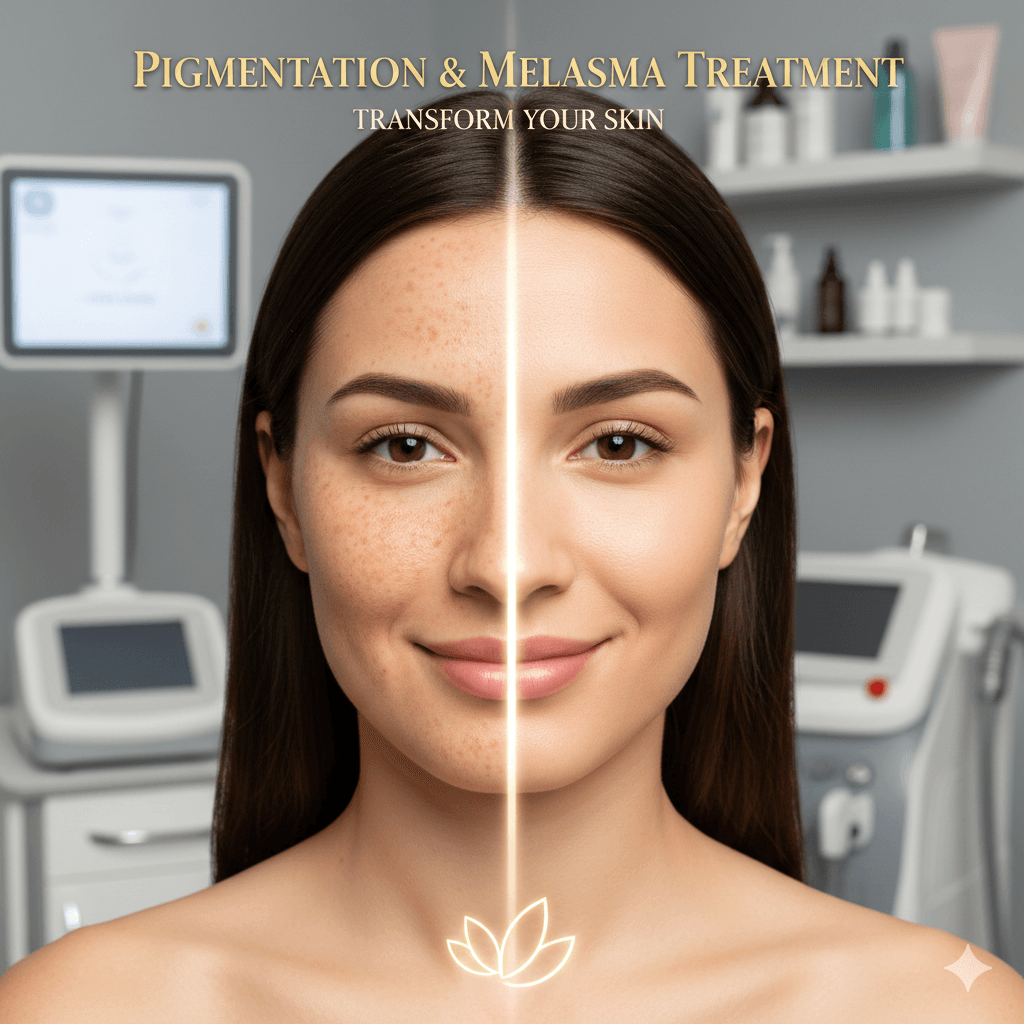
Laser Solutions for Pigmentation & Melasma in Hyderabad | Personiks
Advanced Laser Treatment for Safe, Gradual Results and Long-Term Skin Health
Pigmentation and melasma are common skin concerns that affect people across different age groups. They often appear as dark patches, uneven skin tone, or discolouration on the face and other exposed areas.
In Hyderabad, where sun exposure is frequent throughout the year, pigmentation-related concerns are especially common and often persistent.
This article explains pigmentation and melasma, how laser treatments work, what costs and sessions typically look like in Hyderabad, and what realistic results you can expect — guided by medical safety, expertise, and ethical care.
Understanding Pigmentation and Melasma
- Pigmentation occurs when excess melanin is produced in certain areas of the skin. Common forms include post-inflammatory pigmentation after acne or injury, sun-induced dark spots, and age-related pigmentation. Melasma is a deeper, hormonally influenced pigmentation that usually appears symmetrically on the cheeks, forehead, nose, or upper lip. It is often triggered by sun exposure, hormonal changes, genetic predisposition, and skin sensitivity. At Personiks Cosmetic & Plastic Surgery Center, treatment planning begins with a detailed skin evaluation considering type and depth of pigmentation, skin tone and sensitivity, medical and hormonal history, and lifestyle factors.
Laser Treatment Options
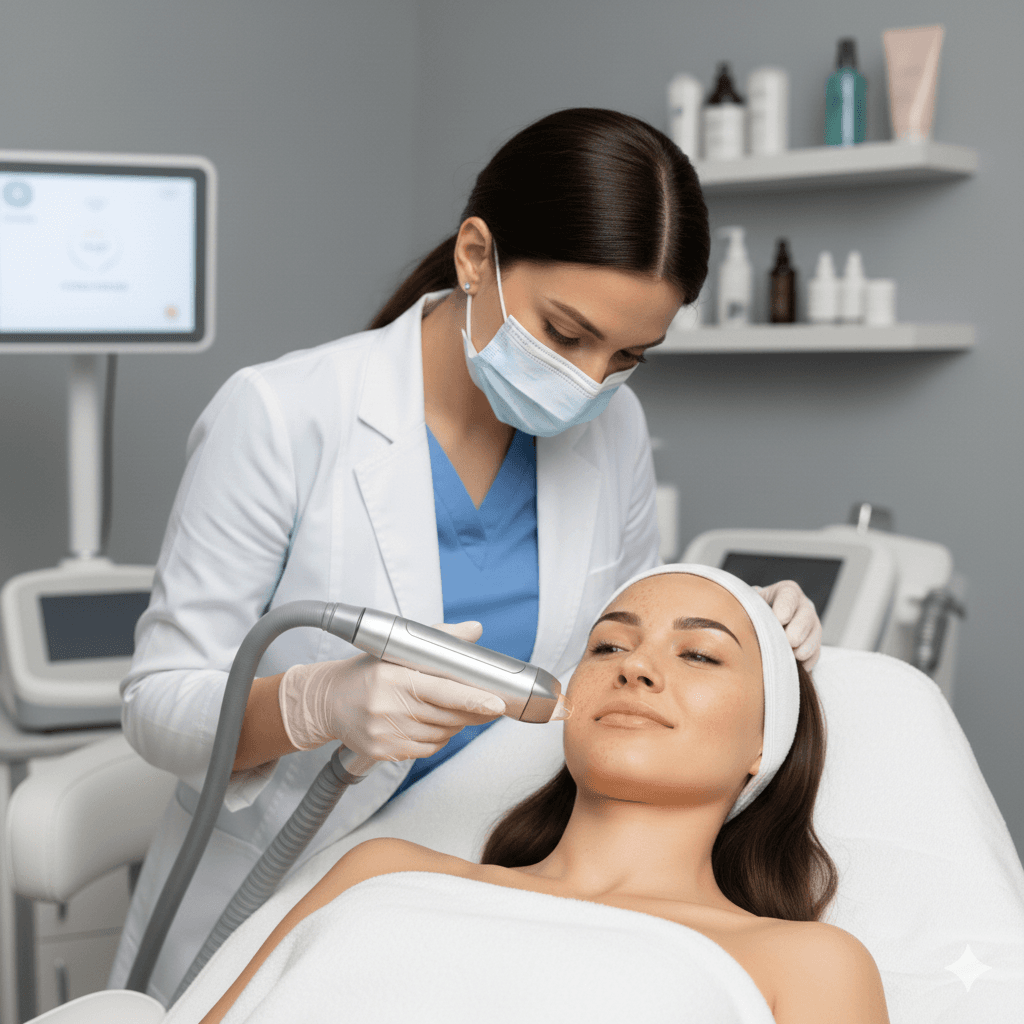
Laser therapy works by targeting excess pigment while preserving surrounding healthy skin. The choice of laser depends on the depth and nature of pigmentation. Professional evaluation ensures the safest and most effective treatment approach.
Q-Switched Laser: Delivers high-energy pulses that break down superficial pigment particles. Best suited for sun spots, post-acne marks, and surface pigmentation.
Pico Laser: Uses ultra-short pulses with minimal heat impact for precise pigment targeting. Best suited for deeper pigmentation and recurrent or stubborn melasma.
Fractional Laser: Creates controlled micro-injuries that promote skin renewal and collagen production. Best suited for mixed pigmentation and texture irregularities.
Session Planning: 3-6 sessions recommended initially, spaced 4-6 weeks apart. Deeper melasma may require maintenance with gradual and cumulative improvement.
Safety & Aftercare: Strict sun protection, gentle skincare, and avoidance of irritants. Temporary effects may include mild redness, slight swelling, and temporary darkening before lightening.
Key Details
Why Professional Evaluation Is Essential
Pigmentation and melasma can look similar but behave very differently. Treating them without proper diagnosis may worsen the condition.
At Personiks Cosmetic & Plastic Surgery Center, treatment planning begins with a detailed skin evaluation that considers type and depth of pigmentation, skin tone and sensitivity, medical and hormonal history, and lifestyle and sun exposure patterns.
This assessment determines whether laser treatment is appropriate and which technology is safest for your specific skin type and condition.
Understanding Different Types of Pigmentation
Pigmentation occurs when excess melanin is produced in certain areas of the skin. Common forms include post-inflammatory pigmentation after acne or injury, sun-induced dark spots, and age-related pigmentation.
Melasma is a deeper, hormonally influenced pigmentation that usually appears symmetrically on the cheeks, forehead, nose, or upper lip. It is often triggered by sun exposure, hormonal changes during pregnancy or with contraceptives, genetic predisposition, and increased skin sensitivity.
Melasma tends to be more resistant than surface pigmentation and usually requires structured treatment plans with long-term maintenance.
Laser Treatment Options and How They Work
Q-Switched Laser delivers high-energy pulses that break down superficial pigment particles. This technology is best suited for sun spots, post-acne marks, and surface pigmentation that responds well to targeted energy.
Pico Laser uses ultra-short pulses with minimal heat impact for precise pigment targeting. This advanced technology is best suited for deeper pigmentation and recurrent or stubborn melasma that has not responded to other treatments.
Fractional Laser creates controlled micro-injuries that promote skin renewal and collagen production. This approach is best suited for mixed pigmentation and cases with texture irregularities alongside discoloration.
The choice of laser technology depends on careful evaluation of pigmentation depth, skin type, and treatment goals.
How Many Sessions Are Typically Needed
The number of sessions depends on the depth of pigmentation, type of melasma, and individual skin response to treatment.
In most cases, 3-6 sessions are recommended initially, with sessions spaced 4-6 weeks apart to allow proper healing between treatments.
Deeper melasma may require maintenance sessions beyond the initial treatment series. Improvement is gradual and cumulative, with results building over time rather than appearing immediately.
Realistic expectations and patience are essential for achieving optimal outcomes.
Cost Expectations in Hyderabad
Costs vary depending on the laser technology used, number of sessions required, treatment area size, and clinic expertise and safety standards.
General expectations include lower per-session costs for basic lasers, higher costs for advanced technologies like Pico Laser, and more economical package pricing for multiple sessions.
Cost should always be evaluated alongside safety protocols, professional expertise, and realistic outcome expectations. The cheapest option is rarely the safest or most effective.
At Personiks, transparent pricing is discussed during consultation along with expected session requirements.
Results You Can Realistically Expect
With proper planning and care, patients usually experience gradual fading of dark patches, more even skin tone, and improved overall skin clarity.
Results develop progressively over the treatment course rather than appearing immediately after the first session.
Melasma requires long-term care and strict sun protection to minimise recurrence. Even after successful treatment, ongoing maintenance and protection are essential.
Realistic expectations set during consultation help ensure patient satisfaction with outcomes.
Safety, Side Effects, and Aftercare Requirements
Laser treatments are generally safe when performed by experienced professionals using appropriate settings for each skin type.
Temporary effects may include mild redness, slight swelling, and temporary darkening before the pigmentation begins to lighten. These are normal healing responses.
Aftercare typically includes strict sun protection with broad-spectrum SPF, gentle skincare without harsh exfoliants, and avoidance of irritants during the healing phase.
Following aftercare instructions carefully is critical for achieving optimal results and preventing complications.
Preparing for Laser Pigmentation Treatment
Preparation may involve avoiding sun exposure for several weeks before treatment, using prescribed topical products to prepare the skin, pausing exfoliating agents and certain skincare ingredients, and reviewing complete medical and medication history.
Your dermatologist or cosmetic surgeon will provide specific pre-treatment instructions based on your skin type and the laser technology being used.
Proper preparation helps maximize treatment effectiveness and minimize potential complications.
Who Is a Suitable Candidate for Laser Treatment
Laser treatment may be suitable if you have pigmentation that has not responded to topical creams, do not have active skin infections or inflammation, can commit to following strict sun-protection guidance, and understand realistic outcomes and maintenance requirements.
Professional assessment is essential to determine candidacy. Not all pigmentation responds equally to laser treatment, and some skin types require special considerations.
At Personiks, candidacy is determined through comprehensive evaluation rather than commercial pressure.
Combining Laser with Other Skin Treatments
Laser therapy is often combined with other treatments for comprehensive skin health and aesthetic improvement.
Complementary treatments may include skin treatments for hydration and texture improvement, botox treatment for addressing facial aging concerns, and regenerative options like PRP treatment for overall skin rejuvenation.
A comprehensive approach supports long-term skin health and addresses multiple concerns simultaneously when medically appropriate.
Frequently Asked Questions
1. Can laser permanently remove melasma?
2. Is laser treatment painful?
3. When will results be visible?
4. Is laser safe for all skin types?
5. How long do results last?
6. What is the difference between Q-Switched and Pico Laser?
Ready to Transform Your Life?
Book your free consultation today and take the first step toward confidence.
